





































Your first competitive season
Everything between "I want to try comp" and playing your first official match: how a season is run, how to get on a team, and how to practise and behave once you're on one.
Pick a format and a class
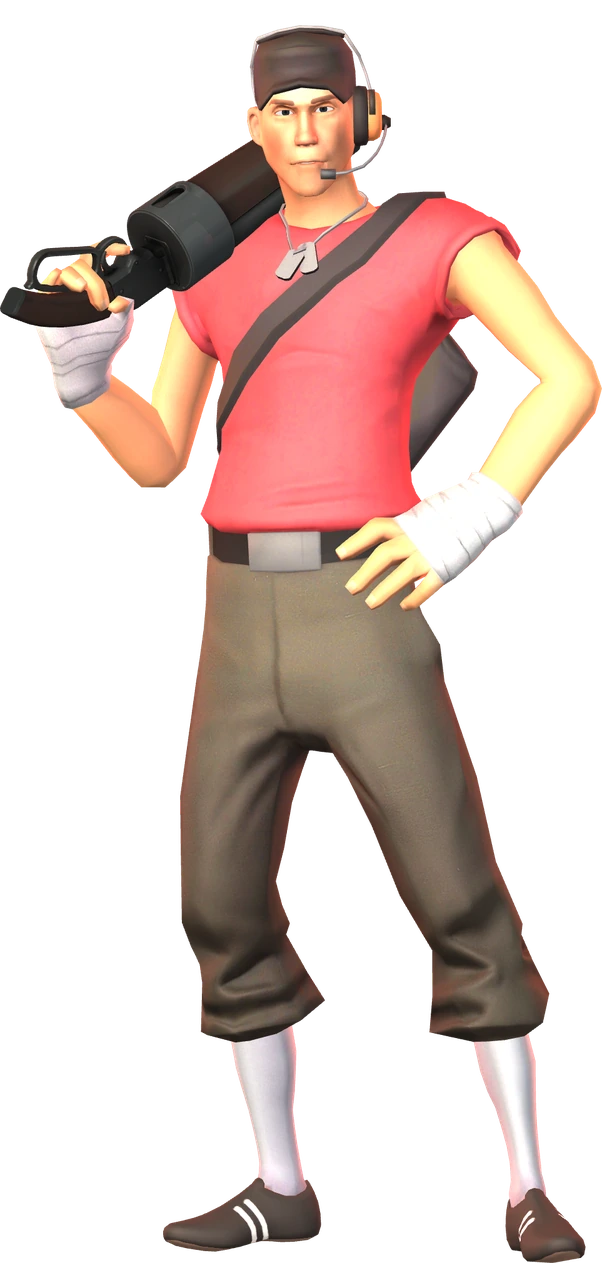
Competitive TF2 is mostly played in two formats. Highlander (9v9, one of every class) plays a lot like a very organised casual game and leans on teamwork more than raw aim. 6v6 is faster, uses a fixed lineup of two Scouts, two Soldiers, a Demoman and a Medic, and puts much more weight on each player. Neither is the "right" start - but stick to one format for your first season while you learn.
Then pick a class you enjoy and commit to it. In 6v6 that means one of the four main classes; in Highlander, any of the nine. You'll learn faster mastering one class than rotating between several, and teams recruit by class. Read the 6v6 guide or the Highlander guide to see what each role actually does.
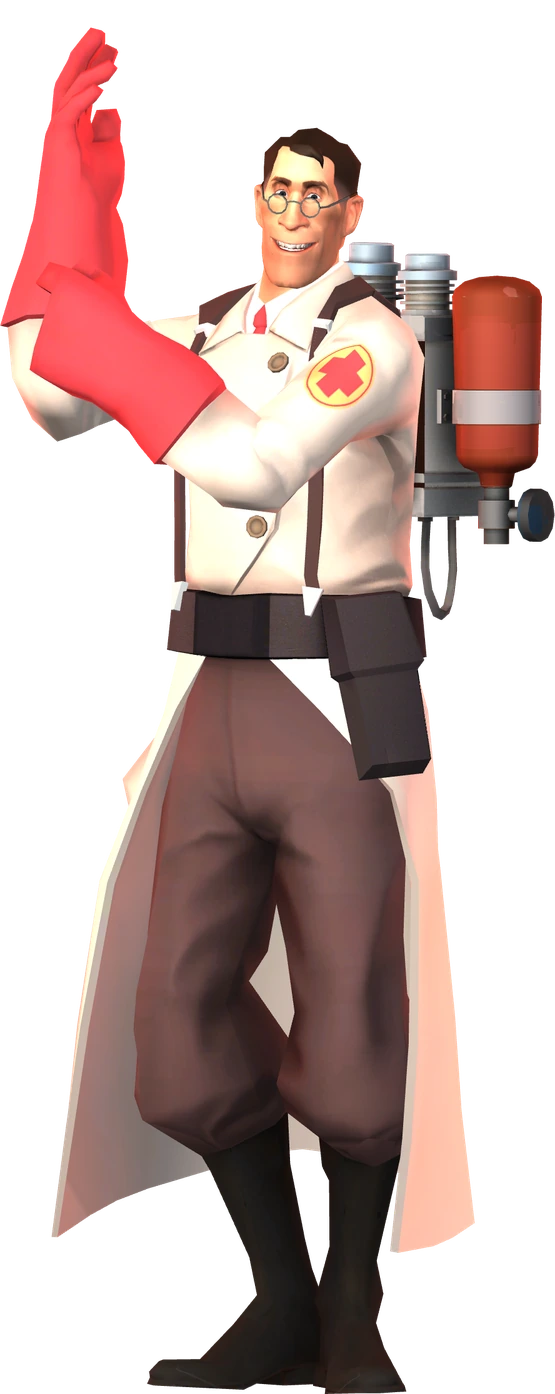
Every team needs exactly one Medic and there are never enough of them. If you're happy to heal, you'll find a team faster than anyone else.
How a season works
Leagues run in seasons of roughly two to three months, with a break (the offseason) and smaller cups in between. Every season follows the same shape:
- 1Signups. A team leader registers the team and its roster on the league's website and asks for a division. Admins then place every team where they think it belongs.
- 2Regular season. One official match a week against a team in your division, usually on that week's map. Results earn points in a table.
- 3Playoffs. The top teams of each division play a knockout bracket, normally best of three maps.
- 4Medals. Everyone who played gets an in-game medal for that season, with special ones for the podium. They are handed out in bulk, sometimes months later.
Each league does the details differently. Pick your region:
ETF2L runs 6v6 and Highlander seasons, and both are completely free.
- Divisions: new players start in Open. Above it the ladder runs through the middle and high divisions up to the Premiership.
- Time zone: everything is in CET (CEST in summer). Scrims are played on the hour at 19, 20 and 21.
- Rosters: create or join a team on etf2l.org. A new member is verified after 24 hours, you can only be on one team per format, and you can only switch teams twice in a season.
- Matches: regular-season matches are normally two maps, playoffs best of three.
- Help: ask questions in the ETF2L Discord and open a ticket with the bot instead of messaging admins directly.
Finding a team
Recruitment runs on two abbreviations: LFT (looking for team), posted by players, and LFP (looking for players), posted by teams. Every league has a place for both - usually recruitment channels on its Discord, and often a recruitment board on its website as well. Some Discords hide those channels until you pick up a recruitment role, so check the server's roles first.
A good LFT post tells a team leader everything they need in five seconds:
LFT 6v6 - entry division
Class: Medic (can also play Soldier)
Experience: ~1,500 hours, new to comp
Available: Mon, Wed, Thu evenings (8-11pm, my time zone)
Discord: yourname
Profile: <your league profile link>- Message team leaders yourself. Teams read LFT posts, but most players get picked up by sending a short, polite message to a team whose LFP fits them.
- Be honest about your experience. A team in your division would rather trial a keen beginner than discover one.
- Start in the bottom division, even if your aim is good. Comp asks for much more than mechanics, and you'll learn it fastest against teams at your level.
- Trials
- Before signing you, a team will usually play a few scrims with you. Turn up on time, talk on comms, listen and ask questions. It's a trial both ways - you're also finding out if you want to play with them.
- Making your own team
- Perfectly normal. You need a full lineup plus one or two substitutes, a captain who handles signups and scheduling, and at least one person who can book a server (see Book a server).
Practice between officials
An official is one match a week. Almost all of your improvement happens around it:
- Scrims
- Practice matches against another team. Find them in your league Discord's scrim channels by posting your division and the time you want to play. Agree on maps, and one team hosts the server.
- PUGs and mixes
- Pick-up games with players from different teams. Great when you have no team yet; the live PUG queues show where people are queuing right now.
- Mercing
- Filling in for a team that's a player short. Post your class, division and when you're free in the league's merc channel. Some leagues call a fill-in a ringer.
- Demo reviews
- Watching a recorded scrim or match back as a team to see what went wrong. Uncomfortable at first, and the fastest way to improve.
- Map talks
- Going over a map before playing it: rollouts, positions, where to hold and how to push.
- DM and MGE
- Deathmatch and 1v1 servers for aim and movement. Useful, but there is far more to comp than mechanics.
Most teams scrim two or three nights a week and play two maps a night - somewhere between four and ten hours a week including reviews. A fixed weekly schedule that everyone can make beats a busy one that half the team misses.
Getting a mentor
A mentor is a more experienced player who watches your demos, explains what you're missing and answers questions. Mentoring is entirely voluntary, and there is plenty of it:
- League Discords have mentoring channels where you can post a looking for mentor (LFM) request with your class, division and goals.
- In North America, newbie.tf runs a team drive before each RGL season that puts newcomers into full teams with a coach, and TF2 Coaching Central pairs players with coaches.
- If nothing turns up, message players of your class in higher divisions. Be polite, be specific about what you want help with, and don't be put off by a "no".
Etiquette
- Don't bait. Not turning up to a scrim you booked is called baiting and it's the quickest way to get a bad name. If you can't make it, tell the other team as early as possible.
- Be on time and ready. Join the server and comms a few minutes before the start.
- Use the league's time zone when arranging anything: CET for ETF2L, Eastern for RGL, Sydney/Melbourne for ozfortress.
- Admins are volunteers. Use the league's ticket system or bot and be patient.
- Behave everywhere. Leagues ban for cheating, harassment and bigotry, including outside official matches.
- Move up when you're ready. Staying in a division you've clearly outgrown is called sandbagging, and admins will move you.
- Say gg. Win or lose, the scene is small and you'll play the same people for years.
New to the lingo?
Rollouts, callouts, focus, sacwaves, crit heals and the rest of the vocabulary are all explained in the jargon buster.
Open the jargon busterReady to play?
Jump into a pickup game to try what you've read, then find a team for your first season.
More newcomer guides
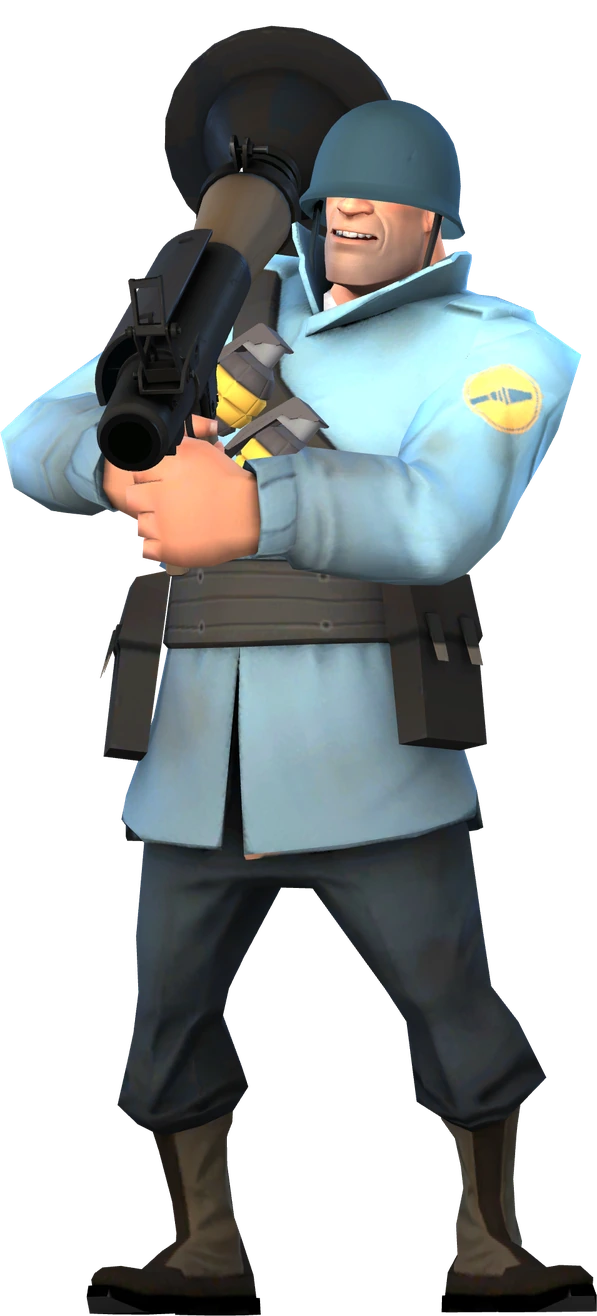
The combo and the flank, every role's job, rollouts and loadouts.
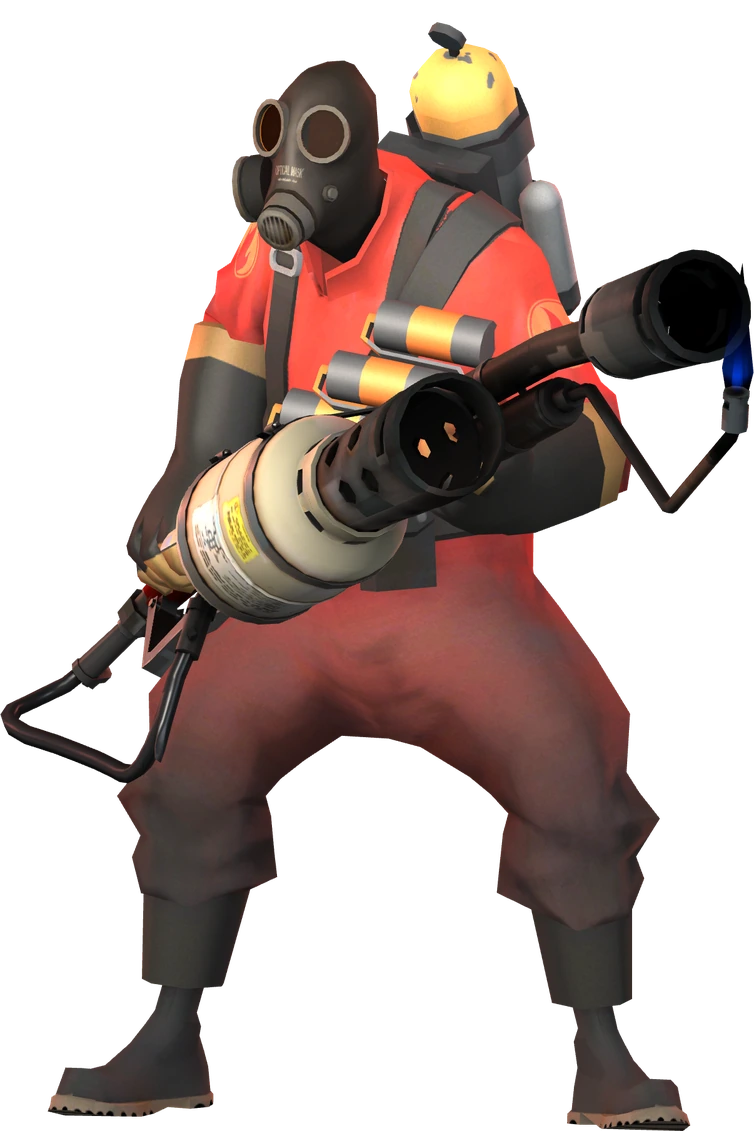
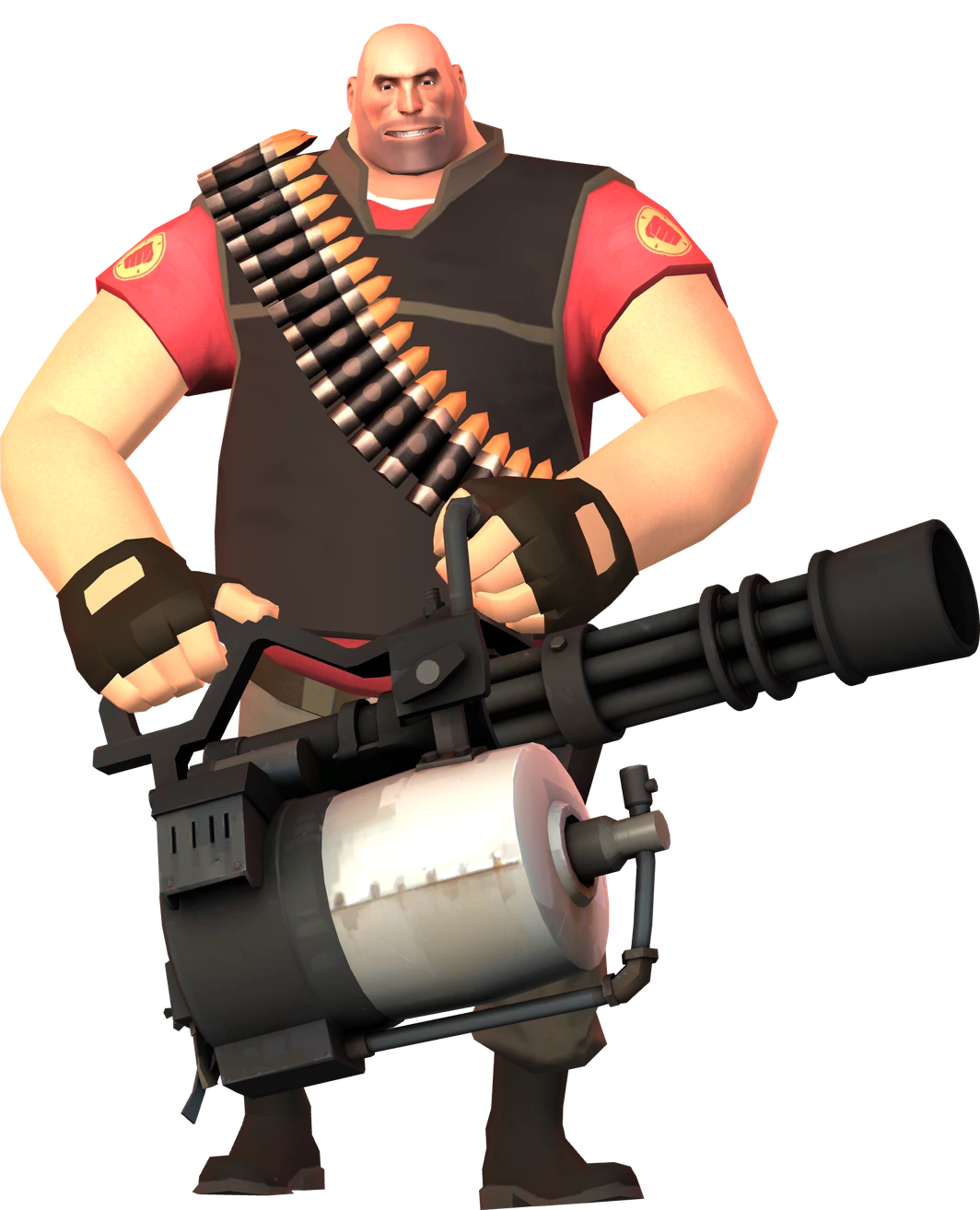
What each of the nine classes does, and how a Highlander team fits together.
Settings, launch options, configs, HUDs, demos and voice comms.
Free servers (serveme.tf, TF2-QuickServer, Matcha), connect strings, RCON and every league's configs.
When to take a fight, the advantages that matter and playing the clock.